Finding a reliable auto repair shop is important for keeping a vehicle safe, dependable, and ready for everyday driving. Whether a car needs routine maintenance, diagnostic testing, or more extensive repairs, choosing the right service provider can make a significant difference in the ownership experience. Drivers should look beyond convenience and consider factors such as technician experience, communication, repair recommendations, and customer service. A well-equipped facility with qualified auto body technicians can help identify vehicle concerns and determine the appropriate steps for addressing them. It is also important to understand how the shop handles estimates, replacement parts, warranties, and questions about completed work. Taking time to compare repair providers can help drivers avoid unnecessary expenses and make more confident decisions. By knowing what qualities to prioritize, vehicle owners can establish a relationship with a repair shop they feel comfortable returning to when their cars need attention.
Evaluating Technician Experience and Qualifications
The experience and qualifications of a repair shop's staff can influence the quality of the work performed on a vehicle. Drivers should look for professionals who understand different vehicle systems and have experience handling the type of repair their cars require. Qualified auto body technicians may be particularly important when a vehicle has sustained collision damage affecting exterior panels, structural components, or other body-related features. Depending on the service needed, drivers can ask whether technicians hold relevant certifications or participate in ongoing training. Modern vehicles often include advanced driver assistance features, electronic systems, and specialized materials that require updated knowledge. A shop that invests in staff development may be better prepared to address changing repair requirements. Customers should also ask about the shop's experience with their particular vehicle make and model. Reviewing these qualifications before authorizing work can help drivers select a provider whose expertise aligns with their needs.
Reviewing Equipment and Diagnostic Capabilities
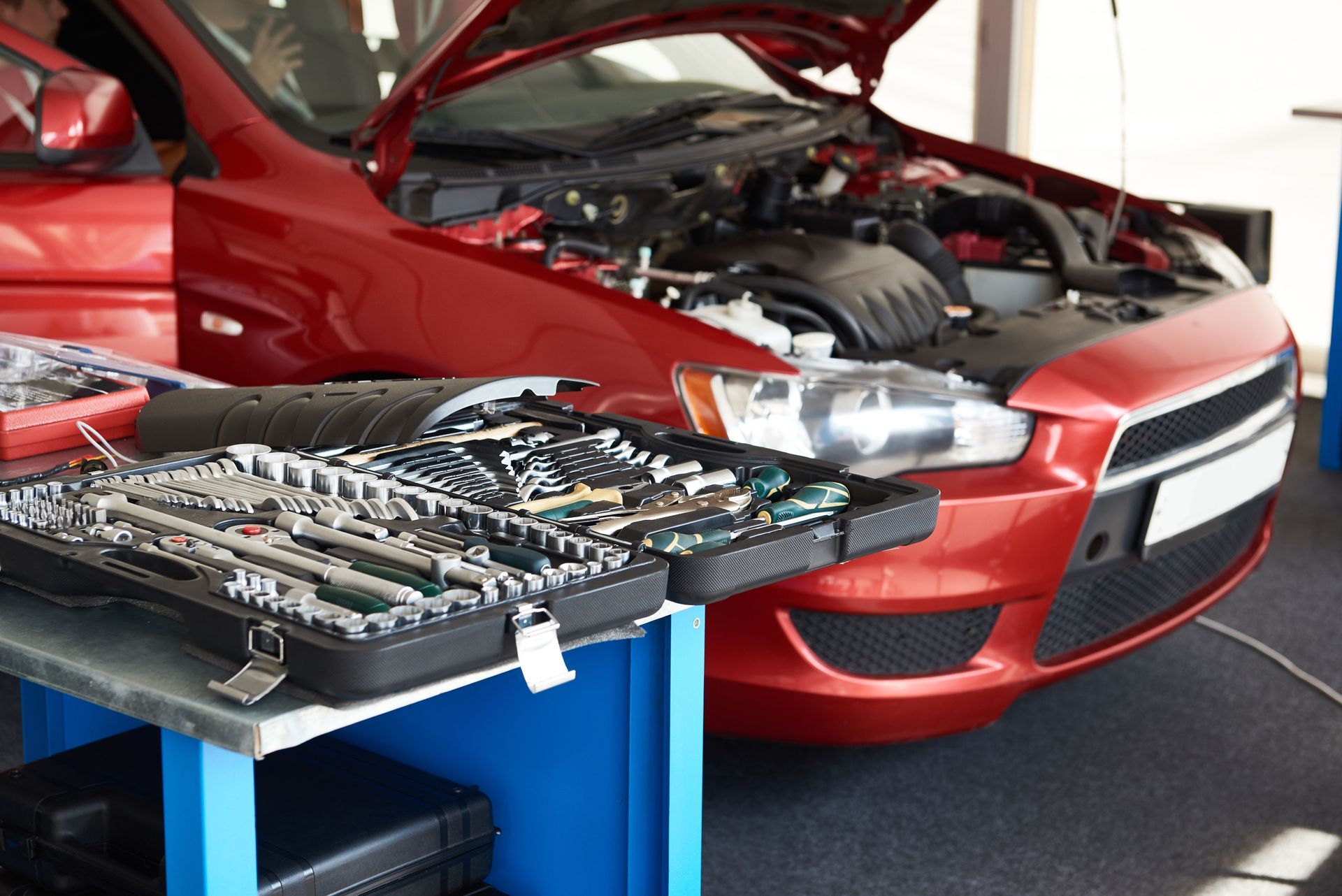
Modern vehicles rely on interconnected mechanical, electrical, and electronic systems that may require specialized diagnostic equipment. A suitable repair shop should have tools appropriate for the vehicles it services and the types of problems it addresses. Diagnostic scanners, testing equipment, lifts, and specialized repair tools can help technicians investigate concerns more efficiently. When evaluating auto body technicians, drivers should also consider whether the facility has the equipment needed for the specific collision or body repair involved. Certain repairs may require manufacturer-specific procedures or calibration equipment to help ensure vehicle systems operate as intended. Customers can ask how the shop diagnoses problems and whether additional testing may be necessary before repairs begin. A professional approach should include explaining the suspected issue and describing the steps required to confirm it. Appropriate equipment and systematic testing can help reduce guesswork and support more accurate repair decisions.
Comparing Estimates and Repair Recommendations
Understanding repair costs before authorizing work helps drivers manage their budgets and compare service providers fairly. A written estimate should explain the recommended work, expected labor charges, parts costs, and any additional fees that may apply. Customers should ask whether the estimate covers all known concerns or whether certain costs may change after the vehicle is inspected more thoroughly. Auto body technicians may discover hidden damage after removing damaged panels or related components, making it important to clarify how additional work will be approved. A trustworthy shop should explain why each recommended repair is necessary rather than pressuring customers into immediate decisions. Drivers can compare estimates from multiple providers, but they should also consider the quality of parts, repair methods, and warranty terms. The lowest price may not represent the best value if essential procedures or necessary repairs are excluded. Reviewing the details carefully helps vehicle owners make decisions based on cost, safety, and the expected quality of the work.
Checking Reputation and Customer Feedback
Customer reviews can provide useful insight into how a repair shop communicates, handles concerns, and manages completed work. Drivers can look for consistent feedback about professionalism, estimate accuracy, repair quality, and adherence to promised timelines. According to Zipdo.co, the U.S. has more than 38,000 auto body repair shops, giving drivers a broad range of providers to consider when seeking vehicle-related services. Because options can vary by location and specialty, researching individual shops is more useful than relying on general impressions alone. Customers should read a range of reviews instead of focusing exclusively on the highest or lowest ratings. Responses to complaints may also reveal how a business handles misunderstandings or attempts to resolve problems. Recommendations from friends, family members, and colleagues can provide another perspective on a shop's service. Combining these sources helps drivers develop a more balanced understanding before scheduling repairs.
Understanding Communication and Customer Service
Clear communication is an important part of a positive repair experience because customers need to understand what is happening to their vehicles. A reliable shop should explain diagnostic findings, recommended repairs, estimated costs, and any limitations affecting the work. Drivers should feel comfortable asking questions without receiving confusing answers or unnecessary technical language. Professional auto body technicians should be able to describe visible damage, explain the proposed repair process, and clarify when additional assessment may be needed. Customers should also ask how the shop provides updates if the repair takes longer than expected. Delays may occur because of parts availability, unexpected damage, or additional diagnostic requirements, but timely communication helps customers plan accordingly. It is equally important for the shop to obtain approval before proceeding with additional work that changes the agreed estimate. Consistent communication helps build trust and gives vehicle owners a clearer understanding of the service being performed.
Reviewing Parts, Warranties, and Repair Policies
Parts quality and warranty coverage are important considerations when choosing a provider for vehicle repairs. Depending on the job, a shop may use original equipment manufacturer parts, aftermarket components, or suitable recycled parts. Drivers should ask which options are available and how each choice may affect cost, fit, performance, or warranty coverage. When collision repairs are involved, auto body technicians should follow appropriate repair procedures for the vehicle's design and materials. Customers should also request clear information about warranties covering labor and installed parts. Warranty terms can differ between businesses, so it is helpful to understand what is covered, how long coverage lasts, and whether any exclusions apply. Drivers should keep copies of estimates, invoices, warranty documents, and repair records for future reference. Reviewing these policies before work begins can help prevent misunderstandings if a concern arises after the vehicle has been returned.
Confirming Safety Standards and Repair Procedures
Vehicle repairs should address the underlying problem without compromising safety or the proper operation of related systems. Drivers should choose a shop that takes safety concerns seriously and follows suitable procedures for the repair being performed. Collision work may require careful assessment of structural components, restraint systems, sensors, and other features affected by an impact. Qualified auto body technicians should understand when specialized inspections, measurements, or calibrations are necessary to complete the job appropriately. Customers can ask how the shop verifies that repairs have been completed and whether additional checks are performed before the vehicle is returned. For mechanical repairs, it is also useful to understand whether the shop conducts relevant operational tests after replacing or adjusting components.
Selecting an auto repair shop involves more than comparing prices or choosing the closest location. Technician qualifications, diagnostic capabilities, transparent estimates, customer feedback, and clear warranty policies can all help drivers evaluate their options. Taking time to ask questions and review recommendations can also reduce uncertainty before authorizing repairs. Dynamic Autoworks is an option for drivers seeking assistance with their vehicle repair needs. When discussing a potential repair, explain the symptoms or damage, request a clear estimate, and ask about the recommended procedures and expected timeline. Keeping records of the work performed can help you manage future maintenance and repair decisions. Contact us to discuss your vehicle's needs and learn more about the available repair services.