Automotive exterior restoration encompasses a specialized branch of vehicle maintenance dedicated to repairing physical damage, realigning structural frames, and reviving exterior finishes. While standard mechanical maintenance focuses on internal components such as engines, transmissions, and brake hydraulics, auto body repairs target external panels, passenger safety cages, and protective clear coats. Vehicle collisions, road debris, severe weather conditions, and corrosive road chemicals inevitably take a toll on sheet metal and modern composites. Recognizing what constitutes functional damage versus cosmetic blemishes allows drivers to prioritize urgent safety repairs while managing their aesthetic restoration budget effectively.
Modern vehicles utilize high-strength steel, aluminum alloys, and carbon composites engineered to absorb impact energy via specialized crumple zones. When minor fender benders alter these calibrated structures, factory safety ratings drop significantly until certified technicians restore exact dimensional parameters. Choosing between independent specialty facilities, brand-specific dealership collision centers, or express restoration shops requires matching equipment capabilities with your automobile's exact structural architecture. Investing in professional auto body repairs carried out in facilities outfitted with laser measurement benches, computerized paint booths, and certified technicians ensures that your car regains its pre-accident rigidity, aerodynamic performance, and showroom elegance.
Navigating Estimates and Workflow Procedures
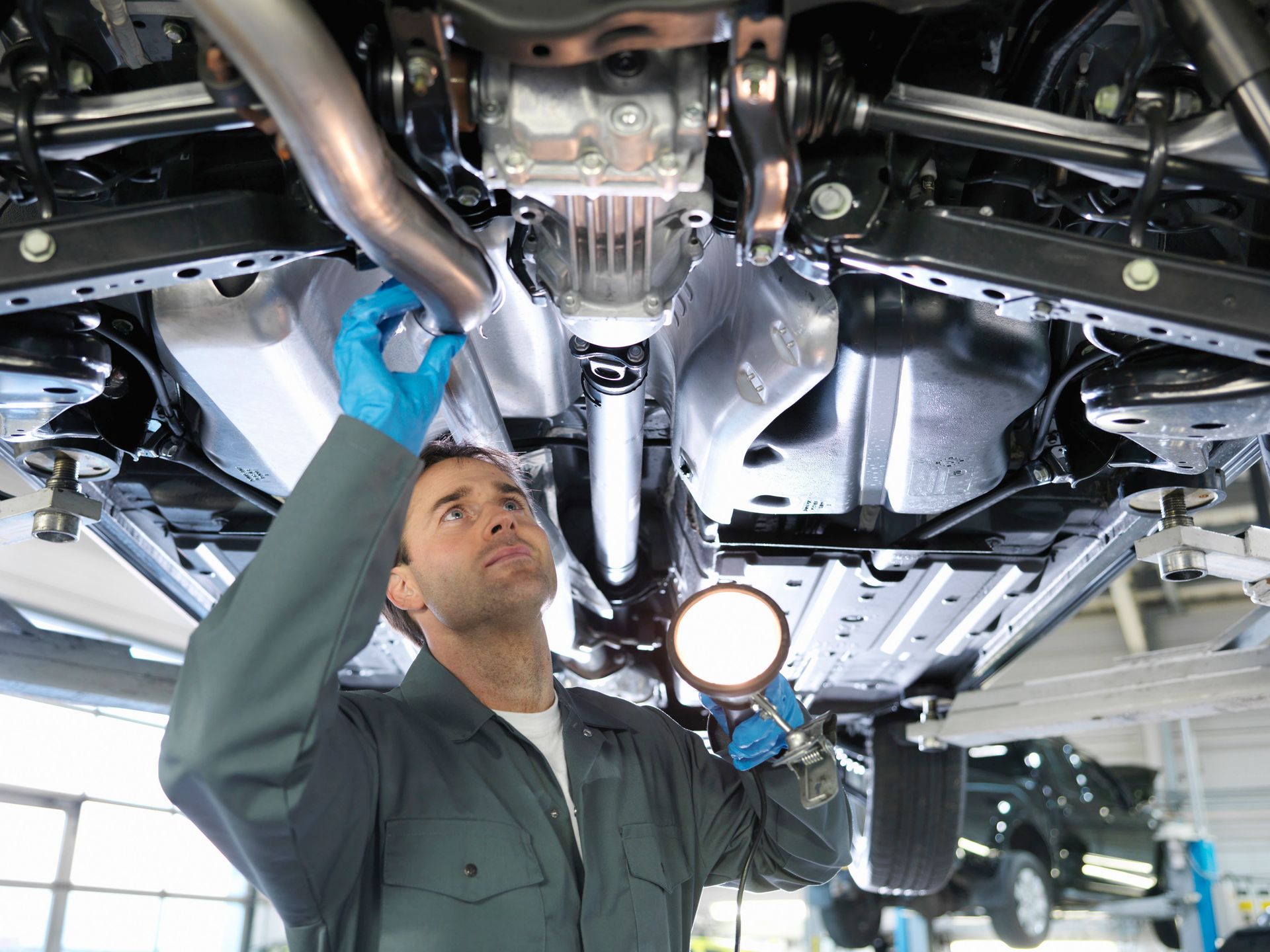
Professional collision restoration follows a disciplined, step-by-step methodology beginning with an extensive diagnostic evaluation. Technicians inspect outer body panels, examine concealed impact absorbers, and deploy scanning tools to verify advanced driver-assistance sensor alignments. According to Consumer Affairs, every new car comes with a bumper-to-bumper coverage addressing most vehicle components, and commonly lasting three years or 36,000 miles, whichever comes first. Understanding the exact limits of factory warranties versus supplementary collision policies helps vehicle owners anticipate repair expenses accurately while outlining necessary out-of-pocket investments.
Following initial teardown inspections, shops generate detailed line-item quotes delineating mechanical labor rates, replacement part categories, and refinishing materials. As technicians systematically dismantle outer fascia to access underlying subframes, hidden metal fatigue occasionally requires supplemental insurance approvals. Skilled technicians realign unibody aprons, replace crushed intrusion beams, and install replacement quarter panels according to strict factory blueprints. Once structural components match original engineering tolerances, the vehicle enters specialized refinishing suites before final reassembly, road testing, and strict quality-assurance sign-offs ensure flawless roadworthiness.
Implementing Modern Repair Methodologies
Technological advancements have radically transformed common collision restoration techniques, giving car owners efficient, non-invasive alternatives for superficial sheet metal damage. Paintless dent repair stands out as a prime example, utilizing specialized reflective lighting boards and polished metal rods to massage shallow indentations out from behind body panels without disrupting original factory coatings. This specialized technique offers quick turnarounds and lower labor expenses for hail damage, shopping cart dings, and mild parking lot creases. Preserving original assembly-line paint maintains resale values and prevents panel corrosion over years of road exposure.
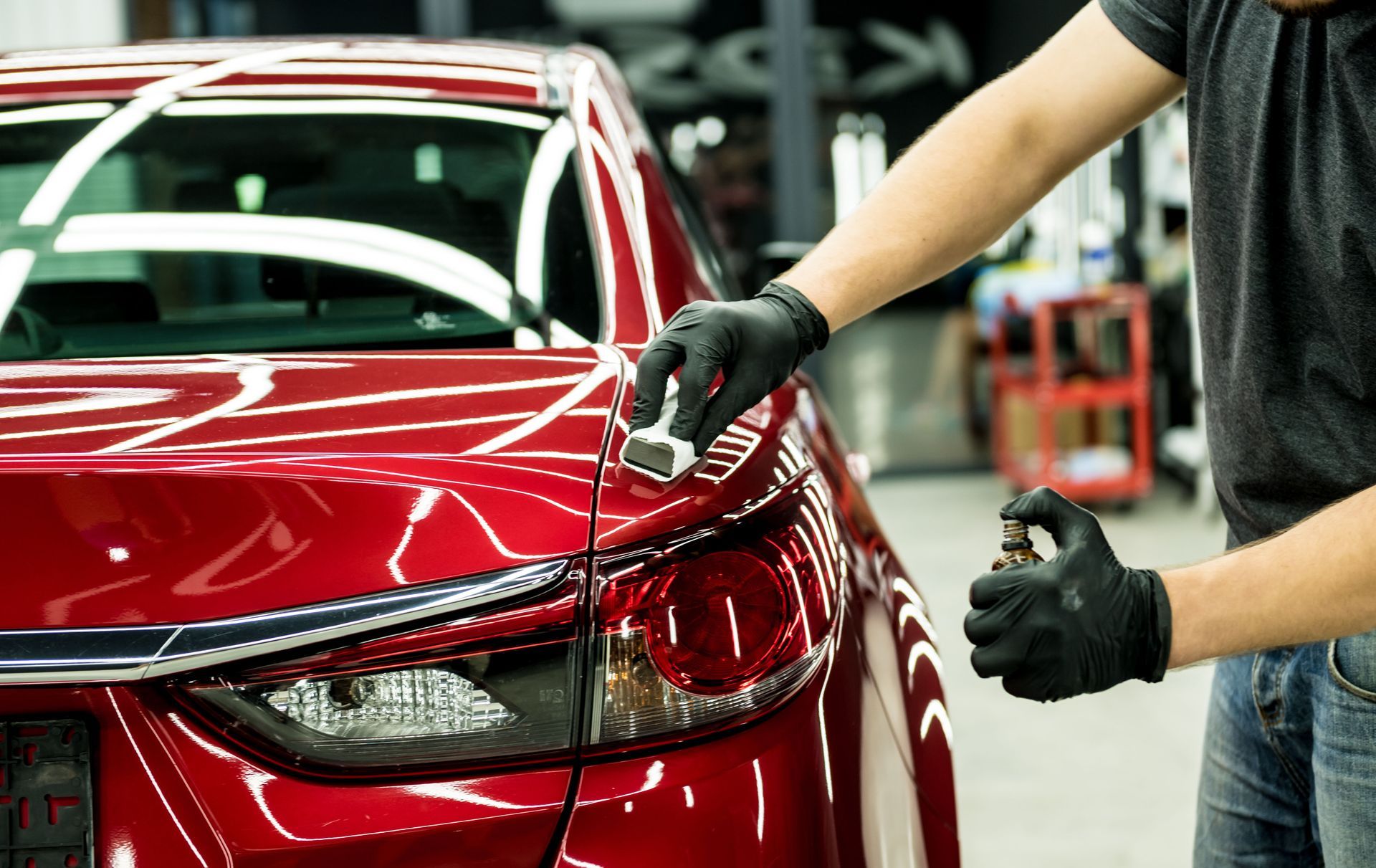
When severe impacts stretch metal past elastic limits or puncture outer coatings, technicians implement traditional restoration techniques. Craftsmen grind away damaged paint, pull concave contours level using resistance stud welders, and apply featherweight structural fillers to achieve flat surfaces. For severely mangled doors, hoods, or quarter panels, total panel replacement represents the safest approach. Technicians weld replacement stampings along factory seam points, coat raw metals with corrosion-inhibiting epoxy primers, and blend pigmented finishes across adjoining panels to guarantee that completed auto body repairs remain completely undetectable.
Managing Insurance Claims and Deductibles
Negotiating insurance policies forms an indispensable aspect of collision recovery, dictating repair timelines, component selections, and personal financial contributions. Comprehensive policies protect vehicles from unpredictable non-collision incidents such as vandalism, fallen tree branches, wildlife strikes, and severe hail, while collision policies cover impacts with other vehicles or stationary road barriers. Understanding your policy deductibles allows you to determine whether paying out of pocket for minor scratches makes better financial sense than filing formal claims for auto body repairs that might elevate future insurance premiums.
When filing claims, vehicle owners retain the legal right to select their preferred repair facility regardless of insurer suggestions. While carrier-affiliated direct repair facilities offer streamlined claim processing and quick loaner car approvals, independent centers frequently provide personalized advocacy when negotiating for original equipment manufacturer parts over aftermarket alternatives. Clear communication among adjusters, vehicle owners, and shop estimators ensures that every hidden structural crack receives proper coverage. Diligently reviewing policy documentation and claim adjustments prevents unexpected financial surprises and protects your automobile’s long-term operating safety.
Selecting Qualified Collision Specialists
Choosing an exceptional facility requires looking beyond promotional advertisements to evaluate verifiable technical credentials, technician training, and shop equipment. Top-tier facilities proudly hold certifications from recognized industry organizations such as I-CAR Gold Class and ASE, verifying that their staff undergoes regular training on evolving automotive metallurgy, unibody engineering, and sensor recalibration. Inspecting customer testimonials, checking local business bureau standings, and evaluating facility cleanliness provides clear insight into overall work standards and operational professionalism before you hand over your keys.
A facility's confidence in its workmanship is best reflected in written warranties and transparent customer service agreements. Industry-leading establishments supply limited lifetime warranties on paint finishes, rust inhibition, and structural workmanship, guaranteeing prompt remediation should clear coats peel or seams leak down the road. Furthermore, reputable estimators provide itemized quotes that clearly delineate labor allowances, recycled components, and paint materials without relying on ambiguous bulk fees. Vetting local facilities and entrusting auto body repairs to technicians with transparent pricing and verifiable certifications guarantees that your vehicle satisfies demanding road safety standards.
Preserving Finishes and Structural Longevity
The maintenance protocols you follow after picking up your repaired automobile directly determine the longevity of newly cured paint finishes and replaced panels. Fresh automotive clears require 60 to 90 days to outgas solvents thoroughly, requiring gentle care routines during early ownership weeks. Avoid automated commercial car washes featuring abrasive spinning brushes, park away from harsh industrial fallout or tree sap, and hand-wash surfaces using cool water and pH-neutral car shampoos. Refraining from applying heavy sealants or synthetic carnauba waxes during this initial curing phase allows fresh finishes to harden into durable, weather-resistant shields.
Conducting periodic post-repair inspections helps vehicle owners identify subtle mechanical misalignments or paint defects before warranty periods expire. Inspect newly installed doors, hoods, and liftgates to confirm uniform panel gaps, verify that weatherstripping seals tightly against moisture, and ensure high-speed highway cruising produces no wind whistling. Scheduling routine undercarriage washings washes away road salt, corrosive winter deicers, and moist road grime from repaired structural seams. Diligent ownership habits, combined with timely auto body repairs for fresh paint rock chips, protect your vehicle's structural integrity and retain maximum value.
Restoring Confidence with Expert Craftsmanship
Navigating automotive collision damage successfully requires a balanced understanding of materials, modern repair techniques, and assertive insurance management. When you recognize the mechanical distinction between surface imperfections and underlying structural damage, you can make informed decisions that safeguard your family during daily commutes. Investing in high-caliber auto body repairs restores precise body geometry, protects factory safety systems, and preserves vehicle curb appeal over decades of driving. Methodical research, careful shop vetting, and conscientious vehicle maintenance turn stressful vehicular accidents into manageable, predictable restoration experiences.
When your vehicle demands precision sheet metal realignment, flawless factory paint blending, and uncompromising structural craftsmanship, turn to the proven professionals at Dynamic Autoworks. Their certified master technicians combine cutting-edge computerized measurement systems with unmatched mechanical expertise to return your damaged car to factory safety specifications. Whether you are addressing minor parking scuffs, hail indentations, or heavy structural collision trauma, their dedicated team provides transparent estimates, seamless insurance coordination, and exceptional customer service throughout every phase of restoration. Contact their repair center today to schedule your comprehensive collision assessment and drive away with absolute peace of mind.